We use cookies to make your experience better. To comply with the new e-Privacy directive, we need to ask for your consent to set the cookies. Learn more.

 Sign In for Member Pricing
 10 Different Types of Pipelines Used in Underground Infrastructure
April 11, 2024
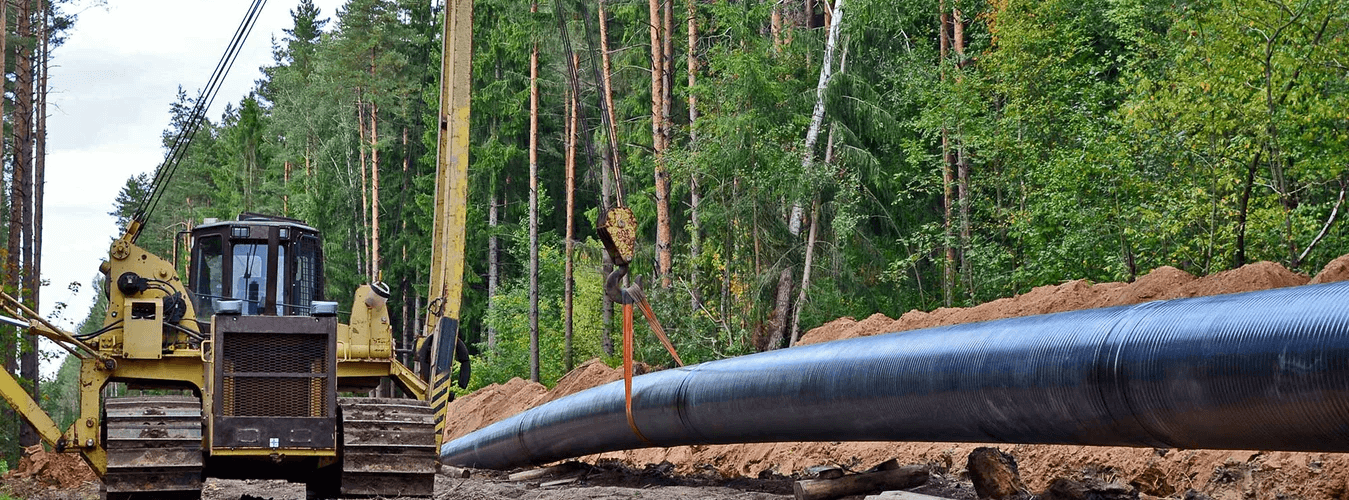
Pipelines play a crucial role in a society's infrastructure. They've been around for millennia, with the Romans coming up with ingenious piping methods made of lead, stone, clay, and terracotta.
Material science, pipeline uses, and the placement of pipelines have all advanced drastically since ancient times. Now we can explore several different types of pipelines that professionals use in the mechanical and civil engineering
Each of the ten different pipelines we'll be looking at is well suited for particular purposes, which we will also discuss. More specifically, different types of pipelines tend to best transporting different liquid types, like liquid petroleum and biofuels, to name a couple. If you don't know or unsure about some drilling term, be sure to look it up in our
Concrete pipelines are made using welded sheet steel to form jointing on the concrete's surface for reinforcement.
Concrete pipes are typically wide in diameter, and construction workers lay them out over extended distances. Their best use is for water transportation over long distances, although they can transport other liquids.
The great thing about concrete pipes is that they can last well over 100 years, and so once installed, there is little need for worries of failure or extensive maintenance.
Also, they tend to have a good sulfate resistance which helps prevent erosion over long periods, and it means they can carry foul liquids.
Recent Posts


